
1
We find the exact knot.
For the knots that stretching, foam rolling and time alone never touch: a precise release at the trigger point, then the work that keeps it from coming back.
What It Is
A trigger point is a tight knot buried inside a muscle, the kind that stretching, foam rolling and even massage sometimes cannot reach. It stays tense because those fibres are stuck in a low-grade contraction they cannot release on their own.
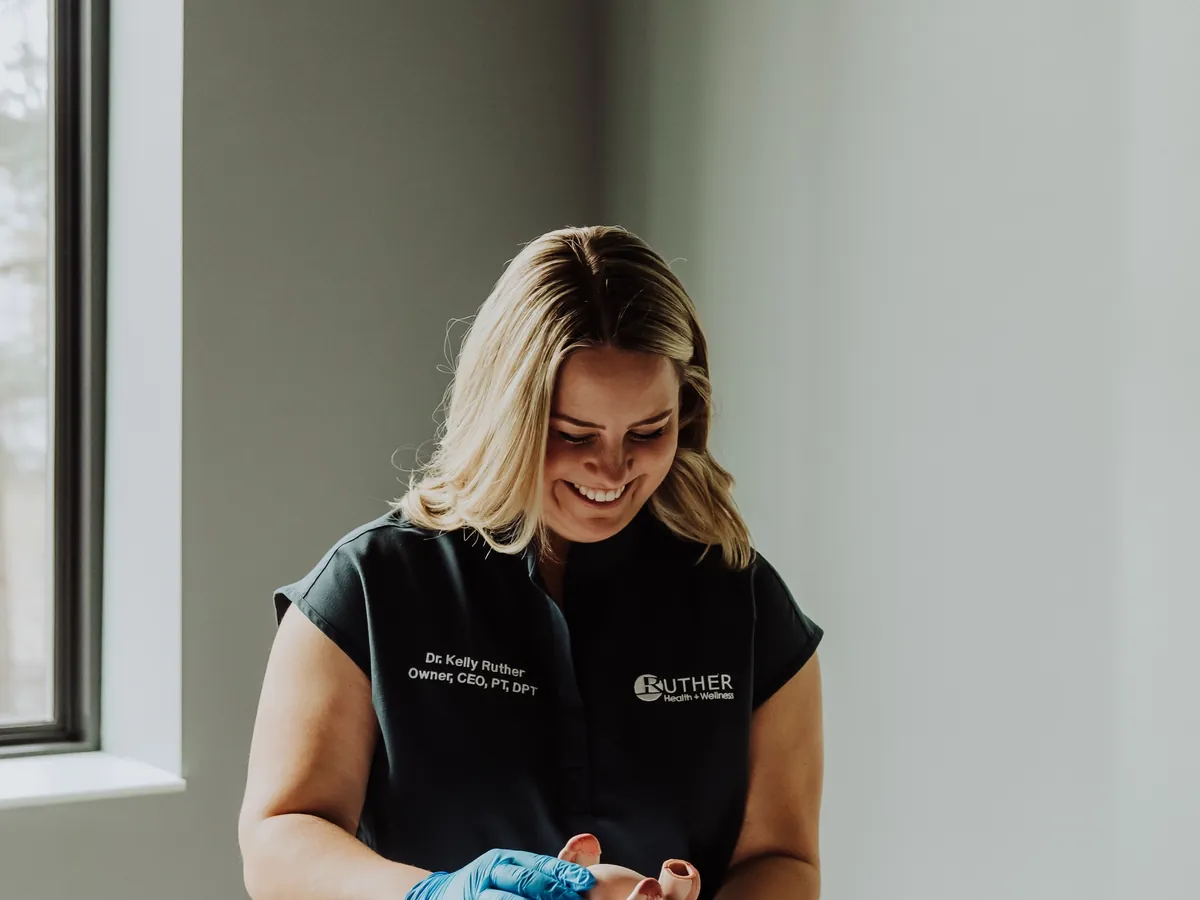
Dry needling puts a thin, sterile needle straight into that knot. When it finds the spot the muscle often fires one quick twitch, the local twitch response, and that twitch is the muscle finally letting go.
It is not acupuncture. Acupuncture works from a traditional Chinese medicine framework built around energy meridians. Dry needling is Western and neuromuscular: one identifiable knot, in one specific muscle, found in your movement evaluation.
What It Helps
If a muscle feels locked no matter what you do, there is a good chance a trigger point is the reason.
What A Session Looks Like
1
We find the exact knot.
2
A quick twitch, then release.
3
We load it so it stays released.
Why It Works
A muscle that has been guarding for months does not release on its own. It recruits its neighbors, and the pattern spreads.
Relief stretching alone cannot reach.
Reaches knots your hands cannot.
Keeps working after massage stalls.
Fits the plan you are already on.
Pairs Well With
Questions, Answered
No. Acupuncture is based on traditional Chinese medicine and works with energy meridians. Dry needling is based on anatomy and neuroscience, and targets one specific muscle knot identified in your evaluation. Different framework, different target, different goal.
Most people feel a brief muscle twitch and then mild soreness, similar to the day after a hard workout. Any discomfort usually settles within 24 hours. We adjust the technique to your tolerance, and it is always optional.
Relief is often noticeable after the first session. How many you need depends on what is driving the tightness, which is why dry needling is used inside a plan rather than sold as a package. It works best paired with the movement work that stops the knot rebuilding.
Book Your Visit
Request a time and a real person calls you back, usually within two business hours. No phone tree. No ‘someone will reach out.’ Just a plan.
5.0 · 150+ Google reviews
Typical response: under 2 business hours
Step 1 of 5
That’s the hard part done. We’ll call during business hours to lock in your time.
Visit Us